


Undergraduate courses
Study an engineering degree accredited by the top professional institutions, in the world's first industrial city.
Every year, we continue our engineering heritage with a wide spectrum of innovative courses developed alongside our industrial partners - ensuring excellent employability prospects.
Over the course of your three-year BEng or four-year MEng course, you'll progress from studying engineering theory to practising your new-found craft. Which path will you take? Start your exploration here.



Aerospace Engineering
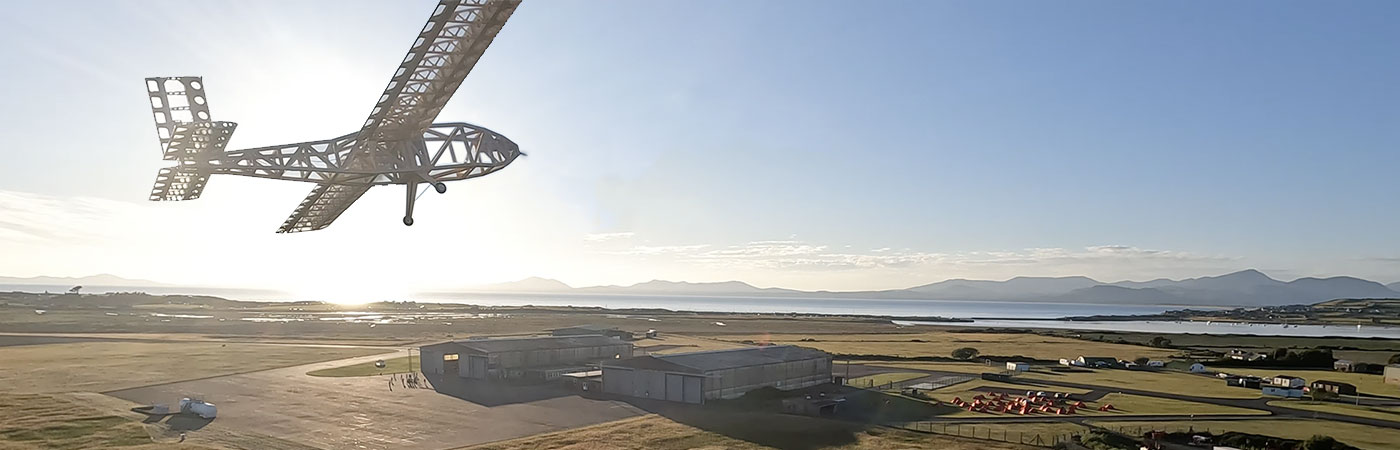
With aerospace engineering at The University of Manchester, the sky really is the limit.

Engineering is about being creative, imaginative, and coming up with the solutions for the real problems we are faced with today.
Ciara McGrath / Lecturer in Aerospace Systems
Not only will you learn about commercial aeroplanes and UAVs but the science and engineering of spacecraft, and the challenges humans face exploring beyond our Earth.
From the design, build, and manufacture of complex equipment, to managing large and complex human enterprises, aerospace engineers take on a range of technological and managerial challenges. On this pathway, you will be prepared for professional career in the aerospace industry - the creation, design, flying, and operating of aircrafts - as well as in other areas, such as research, management, technical development, and finance.
The diverse nature of the industry makes aerospace engineering one of the most dynamic, exciting sectors of the British economy.
Accreditations
All our aerospace engineering degrees are fully accredited.
Our degrees provide the academic base to become a member of a professional institution and a Chartered Engineer with the Engineering Council. BEng(Hons) graduates will need further learning equivalent to master's level for chartered status.
Explore your course
BEng or MEng, industrial experience or management, foundation year or straight into first year - there are many things to consider when choosing the right route for you, so let us help you.
Flexible options
Our courses have a largely common first and second year, giving you the flexibility to transfer to your chosen course up to the end of Year 2, when you are better informed about the pathways and have a deeper understanding of each specialisation.
Foundation year
Prepare for the degree course with direct entry by undertaking our foundation year first. The perfect option for students currently without the correlating qualifications.